
Mali Suspends Key Agricultural Exports to Strengthen Local Industry and Boost Economy
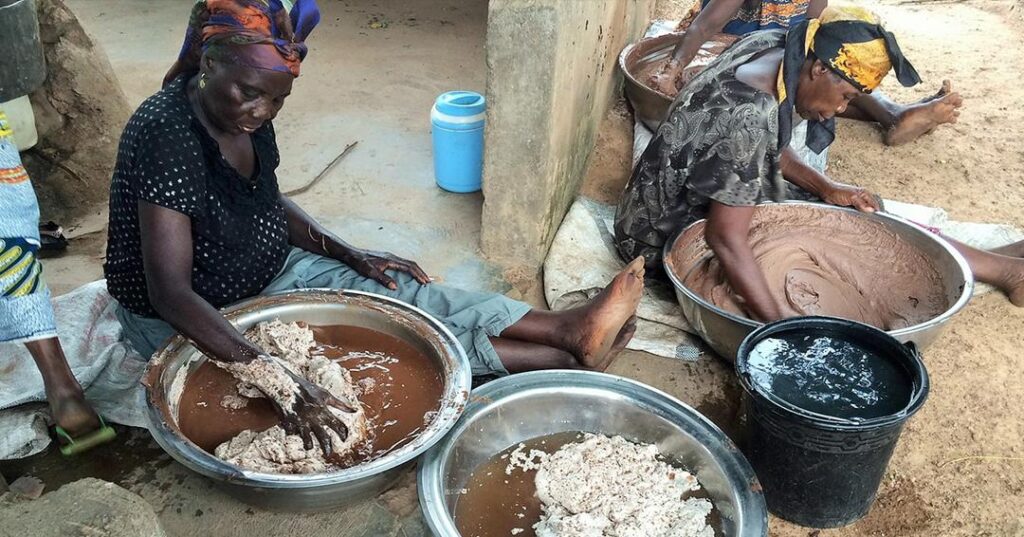
In a significant policy shift, the Malian government has announced the suspension of exports for critical agricultural products, including shea nuts, groundnuts, soybeans, and sesame. This decision, set forth through an interministerial decree on October 3, 2024, aims to increase the value of Mali’s agricultural resources by encouraging local processing, fostering industrial development, and driving sustainable economic growth. The decree, signed by the Ministers of Economy and Finance and of Industry and Trade, specifies that commodities seized from those violating the export ban will be redirected to Malian industries for domestic processing. This policy seeks to reduce the outflow of raw materials, bolster industrial capacity, create local jobs, and enhance economic diversification within Mali. Although the export suspension is effective immediately, the government has not yet disclosed how long it will remain in place. Mali, a prominent producer of shea nuts, has traditionally exported most of its raw kernels to European markets. Despite an annual groundnut yield of approximately 700,000 tons, local processing has remained limited, providing only modest economic gains due to low returns and unpredictable market prices. While soybean production has shown steady growth, the local processing infrastructure is still developing, underscoring the importance of the government’s latest move. This decision also mirrors a regional shift in agricultural policy, following Burkina Faso’s September 18, 2024, suspension of shea kernel exports. Both countries’ actions highlight a growing commitment within West Africa to retain and process valuable resources domestically, leveraging agricultural products to fuel industrialization and strengthen their economies. By limiting exports, Mali aims to capture more of the agricultural value chain, thereby supporting the development of local industries and promoting long-term economic resilience. The government’s move is anticipated to be a pivotal step toward Mali’s economic self-sufficiency and a stronger position within the regional agricultural market. Source: APA News – Bamako: AC/sf/lb/as/APA
The Importance of Farmer Cooperatives: Stronger Together

In today’s dynamic agricultural landscape, smallholder farmers play a vital role in ensuring food security, promoting sustainable practices, and contributing to the economic health of rural communities. At Duapa Agri, we believe that the power of community—of people working together toward a common goal—is one of the most transformative forces in agriculture. Through farmer cooperatives, smallholder farmers not only build collective resilience but also enhance their individual prosperity. We proudly support these cooperatives, knowing that together, we are stronger. Why Farmer Cooperatives Matter Farmer cooperatives represent a collective approach to agricultural growth, enabling individual farmers to pool resources, share knowledge, and access opportunities that might otherwise be out of reach. These cooperatives empower smallholder farmers to become active market players, improve their bargaining power, and navigate the challenges posed by a globalized market. The impact of cooperatives reaches far beyond the fields—they provide a foundation for sustainable development, financial security, and community welfare. Economic Empowerment Through Shared Resources For smallholder farmers, access to resources like quality seeds, machinery, and storage facilities can be limited due to financial constraints. By pooling resources, members of a cooperative can access these essentials collectively, significantly reducing costs per individual farmer. In a cooperative structure, bulk purchasing becomes possible, meaning that members can benefit from lower prices for seeds, fertilizers, and other agricultural inputs, which directly increases their profitability. At Duapa Agri, we work closely with cooperatives to provide agro-loans and farm inputs that empower farmers to expand their yields without incurring unsustainable debt. When farmers have the necessary resources and support to succeed, they contribute to the financial stability and economic resilience of the communities they call home. Strengthening Bargaining Power and Market Access In traditional agricultural settings, smallholder farmers are often at a disadvantage when negotiating prices for their crops. Cooperatives, however, give these farmers collective bargaining power, enabling them to secure better prices for their products. By working together, farmers can negotiate fairer terms, command higher prices, and reduce their dependence on middlemen. This enhanced bargaining power translates into increased income and better living conditions for cooperative members. At Duapa Agri, we actively support cooperatives by providing access to markets in high-demand regions such as India, Vietnam, and other parts of Africa. Through our established trading channels, we ensure that cooperative members have a secure and profitable outlet for their products. By bypassing intermediaries, cooperatives gain a direct line to buyers and reap greater benefits from their hard work. Knowledge Sharing and Skill Development Farmer cooperatives serve as hubs for knowledge sharing and skill development, where members can exchange best practices, innovations, and techniques. By attending training sessions, workshops, and meetings, farmers gain new insights into climate-smart agriculture, efficient farming practices, and quality management. This collaborative approach encourages farmers to adopt sustainable practices that protect soil health, conserve water, and reduce waste. Duapa Agri is committed to building capacity within cooperatives by providing training programs focused on climate resilience, good agricultural practices, and sustainable farming techniques. These programs not only improve crop yields but also equip farmers with skills to adapt to changing environmental conditions. When farmers grow together, they learn together—and this knowledge has the potential to transform entire communities. Building Resilience in the Face of Uncertainty In an era marked by climate change, market volatility, and fluctuating prices, the resilience of smallholder farmers is crucial. Cooperatives enable farmers to mitigate risks by sharing resources, diversifying income streams, and creating financial safety nets. When a cooperative member faces an unexpected setback—be it due to extreme weather, crop disease, or price fluctuations—other members can provide support, reducing the financial and emotional toll on any one individual. Our partnership with cooperatives reflects our commitment to long-term sustainability and resilience. We understand that resilient farmers are the foundation of resilient communities, and by fostering a supportive network, we help farmers withstand the challenges that come with the modern agricultural landscape. Fostering Community and Social Impact Beyond the economic and environmental benefits, farmer cooperatives foster a profound sense of community and mutual support. By working together, farmers develop relationships built on trust, shared goals, and respect. This collective approach often leads to social advancements, such as improved healthcare, education, and infrastructure within rural areas. When cooperatives thrive, entire communities benefit, paving the way for positive social change. At Duapa Agri, we see firsthand how cooperatives enrich the lives of their members and contribute to community development. We are proud to partner with cooperatives that invest in the welfare of their members, their families, and the future generations who will continue to steward the land. Duapa Agri’s Commitment to Cooperative Success Duapa Agri’s commitment to farmer cooperatives is deeply rooted in our mission to foster sustainable, inclusive, and resilient agricultural practices. By supporting cooperatives across Ghana, Togo, Benin, and Tanzania, we help smallholder farmers unlock new opportunities, increase their yields, and access markets that reward their hard work and dedication. Our cooperative partnerships reflect our belief that every farmer deserves the chance to thrive. We are dedicated to providing resources, training, and market access that empower cooperatives to overcome challenges, improve their livelihoods, and contribute to a sustainable food supply chain. Together, we are creating an agricultural system where no farmer is left behind, where communities flourish, and where the impact of our efforts endures. Stronger Together: A Vision for the Future The path forward for agriculture lies in collaboration and collective strength. Farmer cooperatives represent a model of resilience, sustainability, and shared prosperity. By working together, farmers build a stronger voice, a more resilient business, and a brighter future for their families and communities. At Duapa Agri, we are proud to be part of this journey and to support the power of farmer cooperatives in building a more equitable and sustainable agricultural future. We invite you to join us in celebrating the spirit of cooperation, the strength of community, and the power of partnership. Together, we are stronger—and together, we are shaping a sustainable future for agriculture.
Tanzania Launches Direct Payment System to Revolutionize Cashew Farming and Empower Farmers

In a transformative move aimed at enhancing the livelihoods of its cashew farmers, the Tanzanian government is restructuring the payment system to address the sector’s long-standing challenges. The shift from the Agriculture Marketing Cooperative Societies (Amcos) to a streamlined, direct payment system managed by cooperative unions is a proactive step toward resolving issues that have weighed down farmers for years, including delayed payments and lost income. This new system will operate through the Central Payment System (CPS), an advanced platform designed to make transactions faster, more transparent, and reliable. The CPS successfully underwent a pilot phase last year and has been refined to meet the needs of Tanzania’s cashew farmers as the 2024/25 harvest season approaches. By adopting CPS, the government is ensuring that cashew farmers receive timely and accurate payments, allowing them to focus more on their production and less on financial uncertainties. The transition to this direct payment model is expected to reduce inefficiencies within the payment process. Under the old system, payments often faced delays, causing farmers to wait extended periods to access their earnings. With the CPS, payments will flow directly to farmers, providing them with faster, more predictable income—a major improvement for a sector that plays such a vital role in Tanzania’s economy. Recognizing that a successful transition requires support and preparation, the government has organized extensive training programs for leaders within the cooperative unions and Amcos executives. These training sessions are designed to empower cooperative leaders to manage the new system effectively and support farmers through this period of change. Such efforts reflect the government’s dedication to building a transparent and accountable payment process that directly benefits the farmers. This modernization of the payment system marks a key milestone in Tanzania’s ongoing efforts to strengthen the cashew industry. By creating a structure that prioritizes prompt payments and minimizes revenue losses, Tanzania is setting a foundation for economic growth that extends to farmers, their families, and communities. This commitment to a sustainable and profitable agricultural sector reflects Tanzania’s broader goals of fostering rural development and supporting long-term economic resilience. As this new system takes effect, Tanzania’s cashew farmers can look forward to a more secure and prosperous future, benefiting from a payment process that values their hard work and ensures they receive the full rewards of their efforts. This is a significant step forward for Tanzania’s agricultural industry, promising a brighter future for cashew farmers and reinforcing the nation’s dedication to sustainable agricultural practices and economic growth.
Burkina Faso Halts Shea Nut Kernels Exports to Boost Local Industry
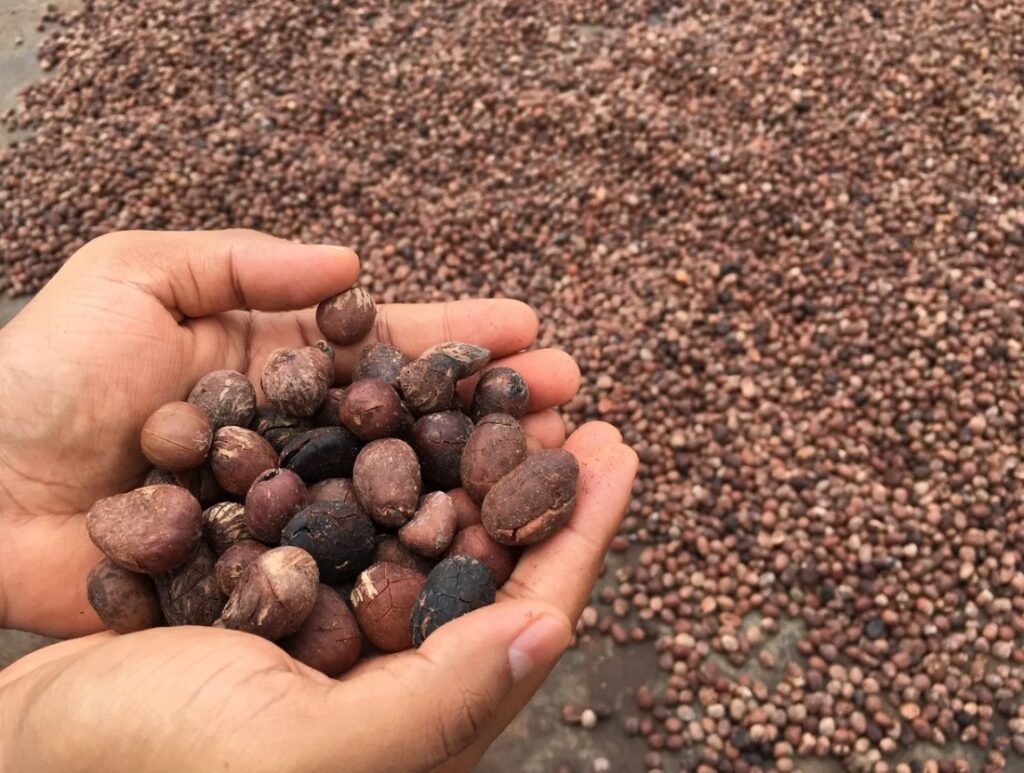
In a decisive step to bolster its local economy and promote sustainable industrial growth, the government of Burkina Faso has announced a suspension of raw shea almond exports. This policy aims to ensure that the nation’s abundant shea resources are prioritized for domestic processing industries, stimulating value addition, job creation, and long-term economic resilience within the country. Effective immediately, Burkina Faso has ceased issuing Special Export Authorizations (ASE) for raw shea almonds. By halting these export permits, the government intends to strengthen local supply chains and encourage the development of processing industries that can transform raw shea into higher-value products. This change will allow Burkina Faso to retain more value within its borders, benefiting both the economy and local communities. To enforce this policy, authorities have implemented strict penalties for violations and have encouraged stakeholders in the shea sector and the general public to report any attempts to evade the ban. This collaborative approach seeks to ensure compliance, fostering a sense of collective responsibility toward achieving the nation’s economic goals. The significance of this move extends beyond economic figures. The shea industry is a vital sector within Burkina Faso, driven predominantly by women who play a central role in harvesting and processing shea nuts. The industry has experienced steady growth in recent years, with exports rising from $52.7 million in 2016 to $61.8 million in 2019. By keeping raw shea within the country for local processing, Burkina Faso aims to maximize the economic impact of the shea industry, ensuring that these gains reach local communities, particularly women who form the backbone of the sector. With approximately 400,000 tonnes of shea nuts produced each year, Burkina Faso is a significant player in the global shea market. However, until now, a substantial portion of the raw shea almonds produced has been exported for processing abroad, limiting the country’s potential to capture added value. The government’s suspension of these exports represents a bold shift toward economic self-reliance, enabling the country to harness its natural resources for the benefit of its people. This policy aligns with Burkina Faso’s broader economic strategy of fostering industries that add value to raw agricultural products, thereby reducing reliance on raw material exports. By strengthening its processing capabilities, Burkina Faso can increase the quality and quantity of value-added shea products—such as shea butter and cosmetics—destined for both local and international markets. This development not only holds promise for economic diversification but also for enhanced economic stability, as domestic industries become less vulnerable to fluctuations in global raw shea prices. For the thousands of women and small-scale farmers involved in the shea sector, this decision signals increased job opportunities, higher incomes, and better support for families and communities. The government’s commitment to supporting local industry aims to ensure that benefits from the shea industry flow directly to the people who depend on it, empowering women and strengthening rural communities. As Burkina Faso continues to implement this export suspension policy, the nation’s focus will remain on creating an environment where local businesses can thrive and communities can experience the full economic potential of their labor. This strategic move not only underscores Burkina Faso’s commitment to economic empowerment and industrial growth but also sets a precedent for resource-rich countries seeking to transform their industries and foster sustainable economic development. Burkina Faso’s bold approach promises a more prosperous future for the shea sector and serves as an example of how strategic policy shifts can empower communities, boost local economies, and create lasting benefits for the nation’s people.